
The National Integration Evaluation Mechanism (NIEM) is a six-years long transnational project which aims to prepare key actors in the integration field in 15 EU Member States to better face the current challenges and improve the integration outcomes of beneficiaries of international protection.
Conflict situations tend to last longer and it takes currently on average 17 years, before refugees fleeing civil wars may eventually have a chance to return to their home country. Hence, the long-term integration of newly arrived beneficiaries of international protection is without alternative and presents an immediate challenge for European societies.
Highlights
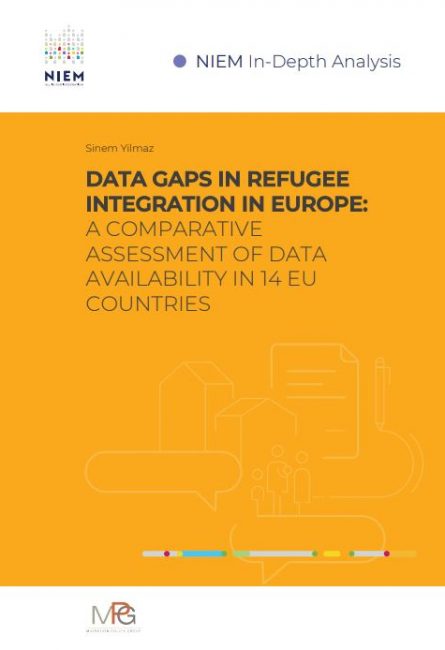
While the welcoming response to Ukrainian refugees marks a turning point in many EU member states’ openness to displaced persons, in particular for those neighbouring Ukraine, a recent comparative report reveals that many countries are poorly prepared in terms of their long-term refugee integration policy frameworks.


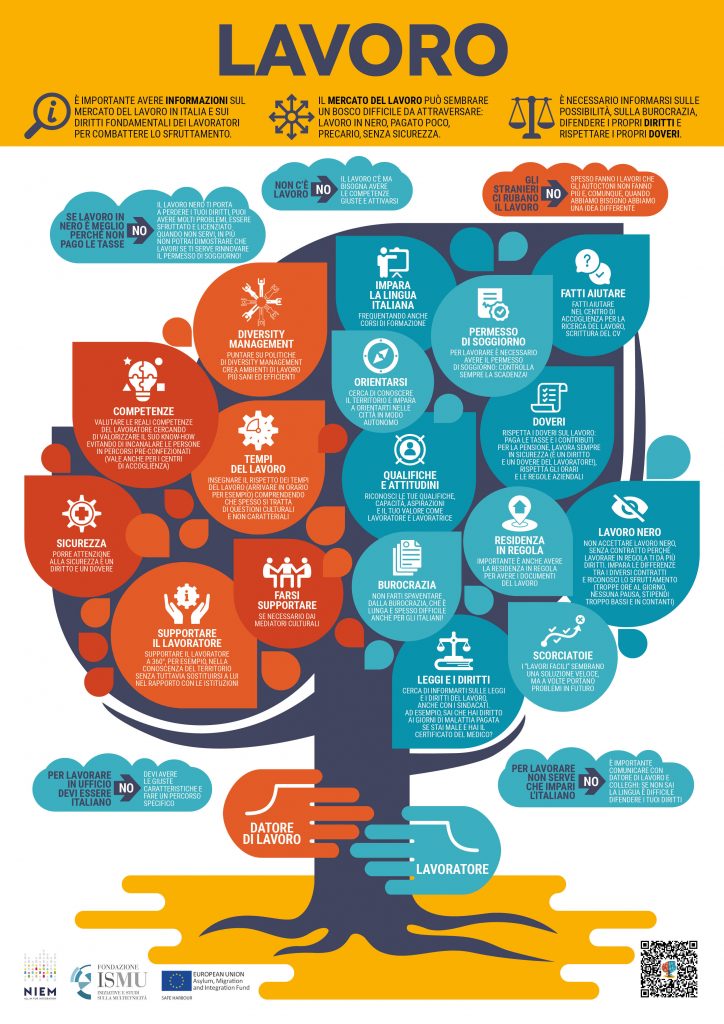


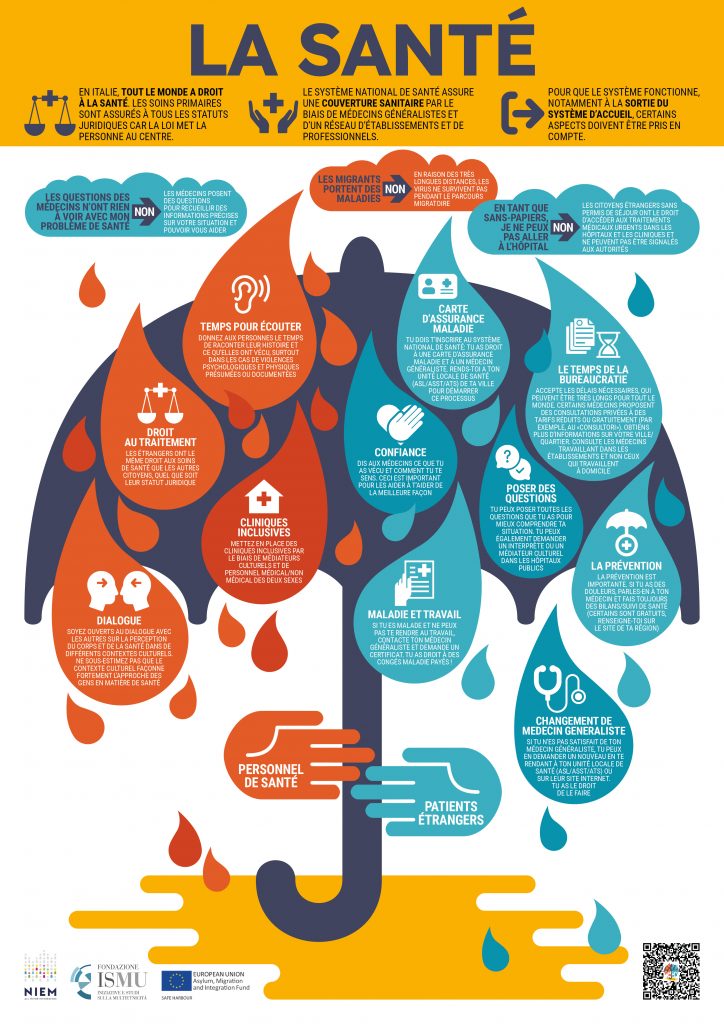


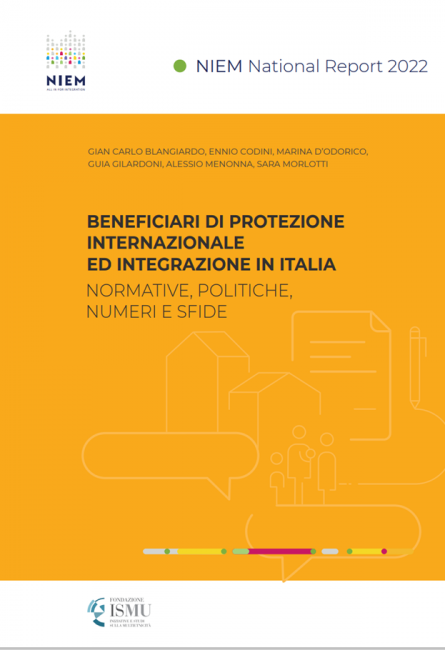
Publications









NIEM is led by IPA, the Institute of Public Affairs in Warsaw. MPG, the Migration Policy Group, is the coordinating research partner responsible for elaboration and further development of the NIEM indicators and the comprehensive comparative reports. Other strategic partners are the UNHCR Representation in Poland and UNHCR Regional Representation for Central Europe in Budapest, the Polish Ministries of Interior and Administration and of Family, Labour and Social Policy, and the University of Warsaw.
Belgium, Bulgaria, France, Italy, Lithuania, Latvia, Holland, Poland, Portugal, Czech Republic, Romania, Slovenia, Spain, Sweden, Hungary
From 2015 to 2022
NIEM is led by IPA, the Institute of Public Affairs in Warsaw. MPG, the Migration Policy Group, is the coordinating research partner responsible for elaboration and further development of the NIEM indicators and the comprehensive comparative reports. Other strategic partners are the UNHCR Representation in Poland and UNHCR Regional Representation for Central Europe in Budapest, the Polish Ministries of Interior and Administration and of Family, Labour and Social Policy, and the University of Warsaw.
